Tension-Type Headaches

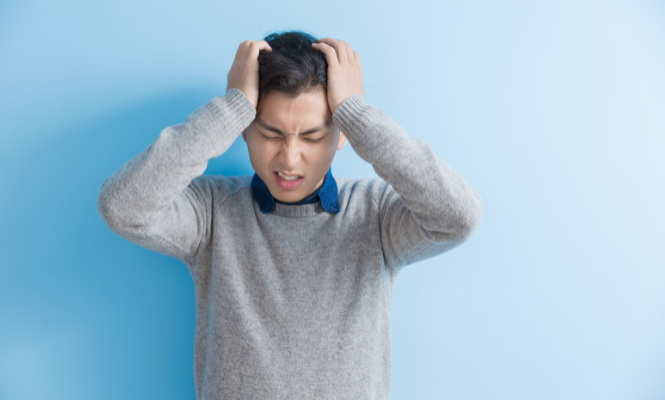
Tension-type headaches (TTH) are characterized by a persistent, dull
ache often described as a tight band around the forehead or the back of the head and neck. They are one
of the most prevalent types of headaches and can significantly impact daily functioning and quality of
life. Effective management of tension-type headaches involves a multi-faceted approach that combines
pharmacological treatments, lifestyle adjustments, and various therapeutic interventions.
Lifestyle modifications are fundamental in managing tension-type
headaches. Stress management techniques are particularly effective; practices such as deep breathing
exercises, progressive muscle relaxation, and meditation help mitigate the stress that frequently
triggers headaches. Cognitive behavioral therapy (CBT) can also be beneficial in teaching patients to
manage stress and change negative thought patterns that may contribute to headache frequency.
Furthermore, improving ergonomics and posture is crucial, especially for individuals who spend long
hours at a desk or computer. Adjusting workstations to promote proper posture, taking regular breaks to
stretch, and using ergonomic chairs can help reduce muscle strain and prevent headaches.
Non-pharmacological therapies provide additional options for managing
tension-type headaches. Physical therapy can address musculoskeletal issues by providing exercises and
manual therapy to improve posture, strengthen muscles, and relieve tension. Massage therapy targeting
the neck, shoulders, and upper back can help reduce muscle tightness and improve circulation, offering
symptomatic relief. Acupuncture, a traditional practice involving the insertion of fine needles into
specific body points, has been shown to help alleviate pain and muscle tension associated with
tension-type headaches for some individuals.
Complementary therapies also offer potential benefits. Biofeedback
teaches individuals to control physiological functions such as muscle tension and heart rate through
relaxation techniques, which can help reduce the frequency and severity of headaches. Herbal supplements
such as feverfew and butterbur have been used by some patients, although their effectiveness can vary
and scientific evidence is mixed. Essential oils, including peppermint and lavender, used in
aromatherapy.
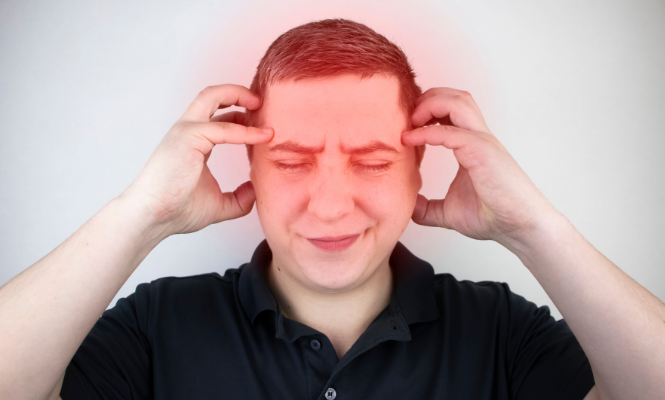

1. Episodic Tension-Episodic tension-type headaches are characterized by their infrequent occurrence and typically affect individuals on fewer than 15 days per month.
2. Chronic Tension-Type Headaches- Chronic tension-type headaches occur more frequently than episodic ones, typically on 15 or more days per month, and can last for months or even years.
3. Frequent Episodic Tension-Type Headaches-Frequent episodic tension-type headaches occur more often than typical episodic headaches but do not meet the criteria for chronic headaches.
4.Tension-Type Headaches with Muscular Tension Component-tension-type headaches are specifically associated with pronounced muscular tension in the neck and shoulders.
5.Tension-Type Headaches Related to Sleep Issues- Collaboration between neurologists, pain specialists, psychologists,
and physical therapists.
At our clinic, we provide a comprehensive range of treatments
tailored to effectively manage and alleviate
various types of headaches. For tension headaches, we offer over-the-counter pain relievers, stress
management
techniques, and physical therapy to relieve muscle tension. Migraines are addressed with a
combination of
acute treatments, preventive medications, and lifestyle modifications to identify and avoid
triggers. Cluster
headaches are managed through rapid relief options such as oxygen therapy and preventive medications
to reduce
attack frequency.
For sinus headaches, we provide decongestants, nasal irrigation,
and warm compresses to
alleviate symptoms. Eyestrain headaches are treated with vision correction, screen time management,
and
ergonomic advice. Hormonal headaches are managed with hormonal adjustments and lifestyle strategies,
while
high blood pressure headaches are treated through blood pressure control and regular monitoring.
Cervicogenic
headaches benefit from physical therapy and posture improvement.

4th floor, Shreeji Bizz World, Kathegalli signal Nashik-pune highway, opposite Camel House, Nashik.
drnehameheryt@gmail.com
+91 8220410417
© Headache Migraine Clinic. All Rights Reserved.
Designed by : DynoGrafx Solutions